

Servers
Describe applications, user count and expected workload. Configuration depends on computing power, storage and availability requirements.
OUR SERVICES
Servers, data storage and infrastructure. Supply, design and configuration.
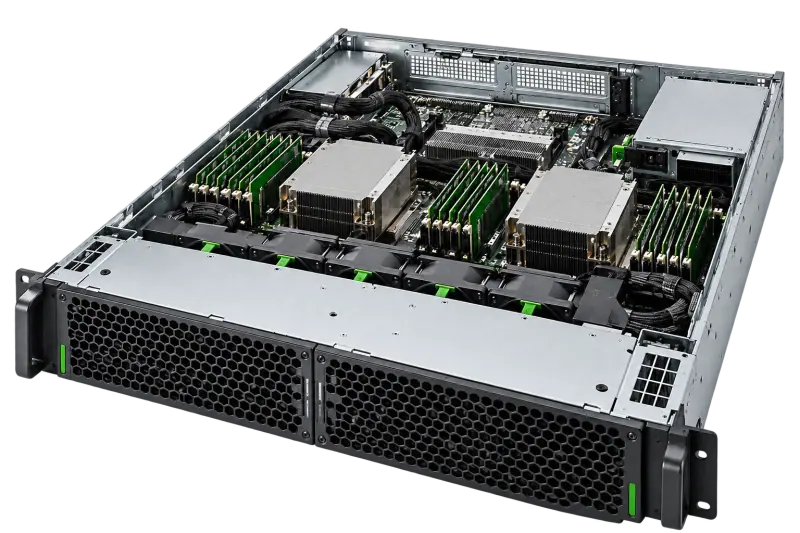
For your applications and workload.
For your data volume and requirements.
For restoring systems and data.
Describe applications, user count and expected workload. Configuration depends on computing power, storage and availability requirements.
Specify data volume, growth and user count. Include access protocols, disk redundancy and backup procedures.
Describe the site scale and equipment. Specify power, cooling and business continuity requirements.
List servers, operating systems and virtual machines. Specify workload, licences and resilience requirements.
List the data and systems to protect. Specify backup frequency, retention and acceptable recovery time.
Provide a floor plan and workstation count. The design needs network speed, outlet positions and expansion requirements.
Describe the area, layout and concurrent connections. Specify coverage, device types and guest network needs.
Provide rack dimensions and equipment list. Specify location, power, cable routes and maintenance access.
List equipment and expected operating modes. Specify access, dependencies and acceptance criteria.
Describe the existing infrastructure and assessment goal. Prepare diagrams, equipment lists and known constraints.
Server infrastructure starts with applications and data. Compute, storage, virtualisation and backup are considered together. When expanding an existing system, we account for compatibility, rack space, power and maintenance access.
Provide your applications, user count, data volume and expected growth. For an existing site, server and storage specifications, a network diagram and recovery requirements are useful. Do not send passwords or confidential data through the public form.
We define the configuration, scope of work and acceptance criteria. The proposal distinguishes supply, installation, configuration and ongoing maintenance. Backup planning specifies which data is protected and how recovery will be tested.
We first review the installed equipment, licences, available resources and site constraints. We can then determine what to retain, what to upgrade and how to organise the transition.
No. Disk redundancy and backups serve different purposes. Data protection requires a separate procedure for copying, retention and recovery testing.